
● REVIEWS
Storefront Tycoon offers a relaxing yet engaging take on business management. The interior customization options let players express their style while strategic expansion decisions add depth. Customer demand shifts keep each session interesting. The social trading feature with friends is a nice touch that builds community without pressure. Perfect for anyone seeking a low-stress simulation with meaningful progression.
● ABOUT THIS GAME
Getting Started with Your Store
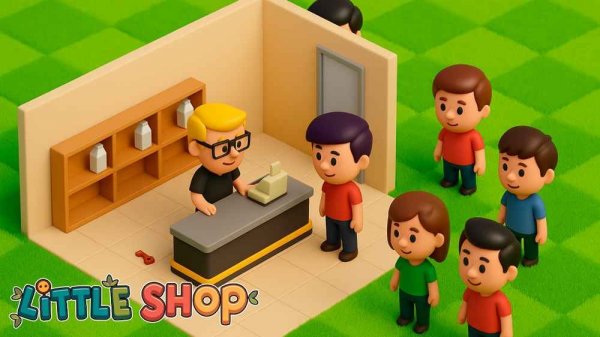
Storefront Tycoon begins with a modest retail space that needs attention. Players take on the role of a shopkeeper responsible for daily operations. The first tasks involve selecting products to offer and arranging them on shelves. As customers walk in, responding to their needs quickly builds a positive reputation and generates income. This foundation phase teaches the basics of inventory control and customer interaction without overwhelming new players.
Designing the Shopping Environment
A key part of the experience is personalizing the store's interior. Players can invest earnings into better shelving units, decorative elements, and layout improvements. These changes directly affect how customers perceive the shop. Brighter displays, organized aisles, and attractive decor encourage longer visits and higher satisfaction. The game provides a range of options for those who enjoy creative expression through interior design.
Growth Through Expansion
As profits accumulate, the opportunity to enlarge the physical store becomes available. Expanding the floor area allows for a wider product selection and the ability to serve more customers simultaneously. This growth phase requires careful planning. Adding space too quickly without maintaining service quality can hurt the business. Balancing expansion with operational efficiency is a satisfying challenge for players who enjoy strategic thinking.
Connecting with Other Shop Owners
Storefront Tycoon includes a social component where players can visit stores run by friends. These visits enable resource exchanges and provide inspiration for new layouts or strategies. Observing how others arrange their shops or handle customer flow can offer fresh ideas. This feature adds a layer of community interaction without requiring direct competition, making it suitable for players who prefer cooperative experiences.
Adapting to Customer Preferences
Successful store management requires attention to what shoppers want. The game simulates changing demand patterns, encouraging players to adjust their inventory regularly. Offering items that match current trends leads to higher sales and repeat visits. This dynamic keeps the gameplay engaging over time, as no two play sessions feel exactly the same. Learning to read customer signals becomes a rewarding skill.
COMMENTS
0 comments