
Core Driving Challenge
This arcade game strips away everything except the essential task of navigating a car through moving traffic. Players control a vehicle on a multi-lane highway, making quick lane changes to avoid other cars. The experience is built around split-second decisions: each tap or swipe moves the vehicle left or right, and every choice matters because a single collision ends the run. This straightforward setup means anyone can begin playing immediately, but mastering the timing and anticipation takes practice. The game rewards those who stay calm and read the road ahead rather than reacting impulsively.
Progressive Difficulty Curve
As you successfully avoid traffic, the game gradually increases the challenge. Vehicles appear more frequently, the gaps between them shrink, and the overall speed rises. This progression ensures that early sessions feel manageable, while later attempts demand sharper focus and quicker responses. The difficulty does not jump suddenly; instead, it builds smoothly, allowing players to adapt and improve over time. Each new speed tier introduces a fresh test of coordination, keeping the experience engaging without becoming frustrating. The game provides clear feedback after each attempt, so players can see where they made a mistake and adjust their strategy.
Visual Style and Atmosphere
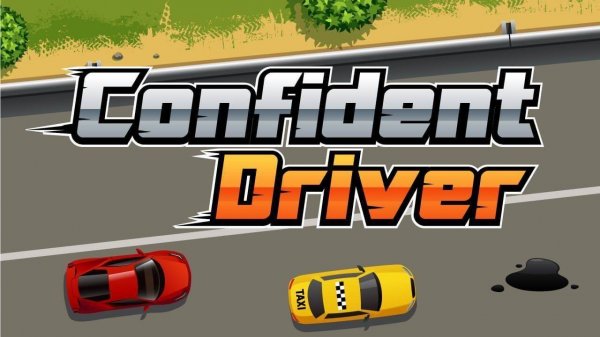
The game uses bright, cheerful colors and simple geometric shapes to create a welcoming environment. The highway is clearly marked with lanes, and the vehicles are distinct enough to be read at a glance. This visual clarity is important because players need to process the traffic pattern quickly. The design avoids clutter or distracting animations, keeping the focus on the road. The overall look is family-friendly, with no dark themes or intense imagery. This makes the game suitable for players of all ages, from children to adults, who want a lighthearted but mentally engaging activity.
Scoring and Personal Improvement
The scoring system tracks how many vehicles you successfully pass. There are no combos or multipliers; the score simply reflects how long you survive and how many cars you dodge. This transparency lets players measure their progress directly. Each session becomes a personal challenge to beat the previous high score. The game does not include leaderboards or competitive elements, so the focus stays on self-improvement. Players can replay as many times as they like, with each attempt lasting only a minute or two. This structure is ideal for quick breaks or for building concentration skills over longer practice sessions.
COMMENTS
0 comments