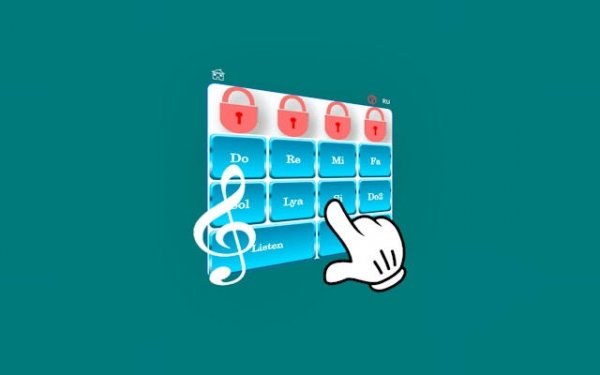
Sound Sequence Puzzle for Children

Sound Sequence Puzzle for Children

Calm Rift Labs
2026-07-20
Puzzle Arcade Music

Reviews

Sound Sequence Puzzle offers a calm, focused activity that trains auditory memory without any distracting ads or purchases. The bright, uncluttered interface is ideal for small children, and the progressive difficulty keeps them engaged without causing frustration. It is not a high-energy arcade game, but rather a thoughtful tool for developing concentration and pattern recognition through music. Parents will appreciate the safe, contained environment, while children enjoy the satisfaction of getting the notes right.

About This Game

Core Listening Challenge

At the heart of this activity is a simple but engaging task. Each round presents a short musical phrase. The player must listen carefully and then reproduce that phrase by tapping note buttons in the exact order heard. Success unlocks the next round. This core loop repeats with increasing complexity, encouraging focused attention and recall.

Visual Design and Accessibility

The interface uses large, colorful buttons and friendly icons that are easy for small fingers to tap on a touchscreen or click with a mouse. The layout remains clear on both desktop monitors and mobile devices, so children can play on a tablet or phone without frustration. No reading is required to understand the basic interaction.

Educational Focus Areas

While the game feels like play, it targets specific cognitive skills. Auditory memory is exercised each time a child holds a tune in their mind before repeating it. Pattern recognition comes into play as they learn to identify sequences of notes. These skills support early learning in music and general problem-solving.

Safe Digital Environment

Parents can feel confident letting children play independently. The game contains no advertisements, no in-app purchase offers, and no links to external websites. There is no chat or user-generated content. The entire experience is contained within the browser window, providing a worry-free space for young players.

Progression and Motivation

As players successfully complete rounds, they advance to new melodies. The difficulty gradually increases, but the pace remains gentle. There are no timers or penalties for mistakes, which reduces pressure and allows children to learn at their own speed. The satisfaction of hearing a correctly repeated tune provides natural motivation to continue.

Compatibility

๐Ÿ’ป Desktop | ๐Ÿ“ฑ Mobile | ๐Ÿ“Ÿ Tablet
โ€“ All supported ยท Best with Chrome or Safari

FAQ

What age group is Sound Sequence Puzzle designed for?
The game is primarily aimed at children aged 3 to 8 years. The simple tap-to-play mechanic and bright visuals make it accessible to preschoolers, while the increasing difficulty can engage early elementary students. Older children may find the early levels too easy but can still enjoy the challenge of longer sequences.
Does the game require any reading skills?
No reading is necessary. All instructions are conveyed through visual cues and the listen-then-repeat format. The note buttons are marked with colors or symbols rather than letters, so even pre-literate children can play independently once shown the basic idea.
Can this game be played offline?
The game runs entirely in a web browser and requires an internet connection to load. Once loaded, it may continue to function for a short time if the connection drops, but for reliable play, an active internet connection is recommended. It is not available as a downloadable app.
Are there different difficulty levels or just one mode?
The game uses a progressive difficulty system rather than selectable levels. Early rounds feature very short, simple melodies with only a few notes. As the player succeeds, the melodies become longer and more complex. This gradual ramp-up helps children build confidence without needing to choose a difficulty setting.
What types of melodies are used in the game?
The melodies are short, simple tunes that are easy for young ears to recognize and remember. They are based on common children's song fragments and basic musical patterns. The focus is on clarity and repetition rather than complex compositions, making them suitable for developing auditory memory.
Is there any way to track a child's progress or scores?
The game does not include a formal scoring system or progress tracker. It is designed as a casual, low-pressure activity. Children simply move from one melody to the next as they succeed. This approach avoids competition or anxiety, keeping the experience purely playful and educational.